Sustainable Habitat Challenge

Building a Better Way

Welcome SHAC Community

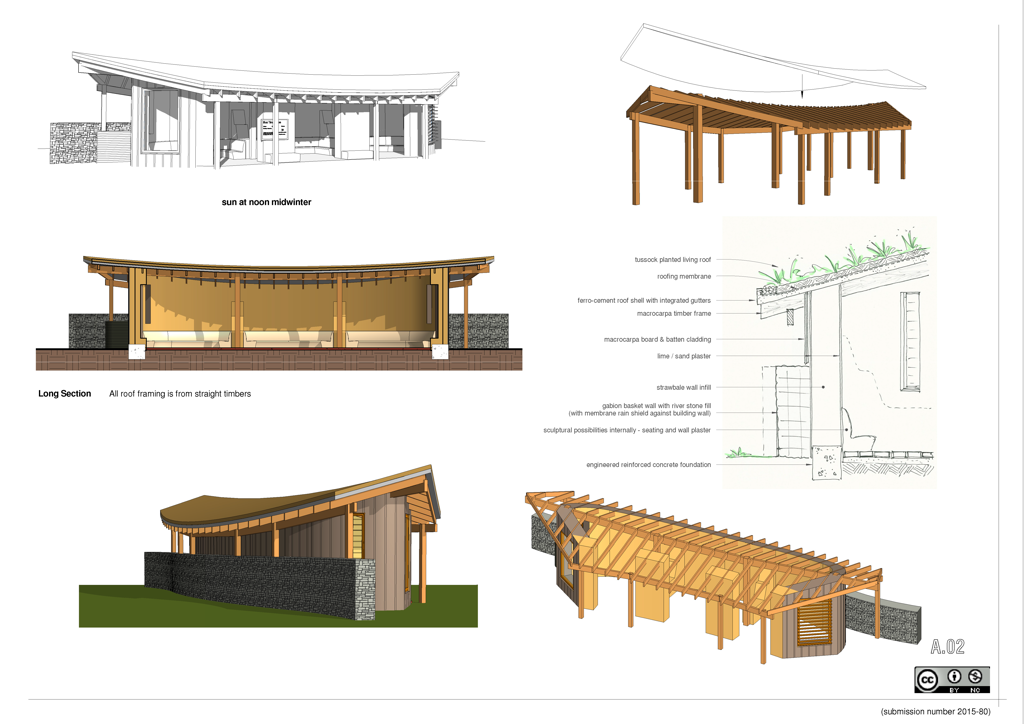
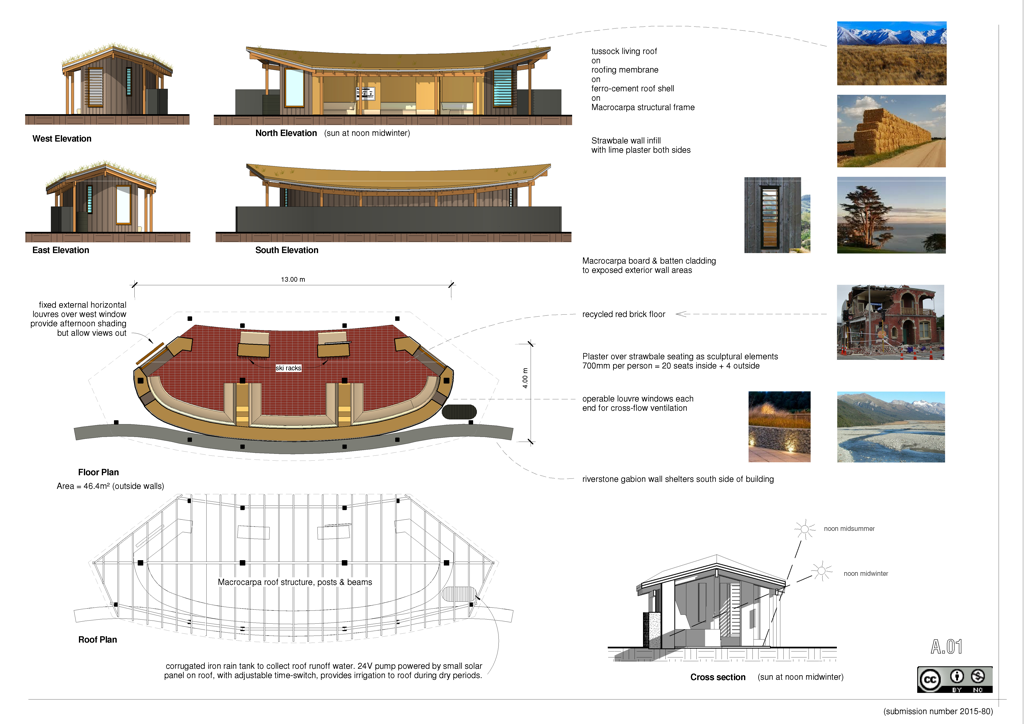
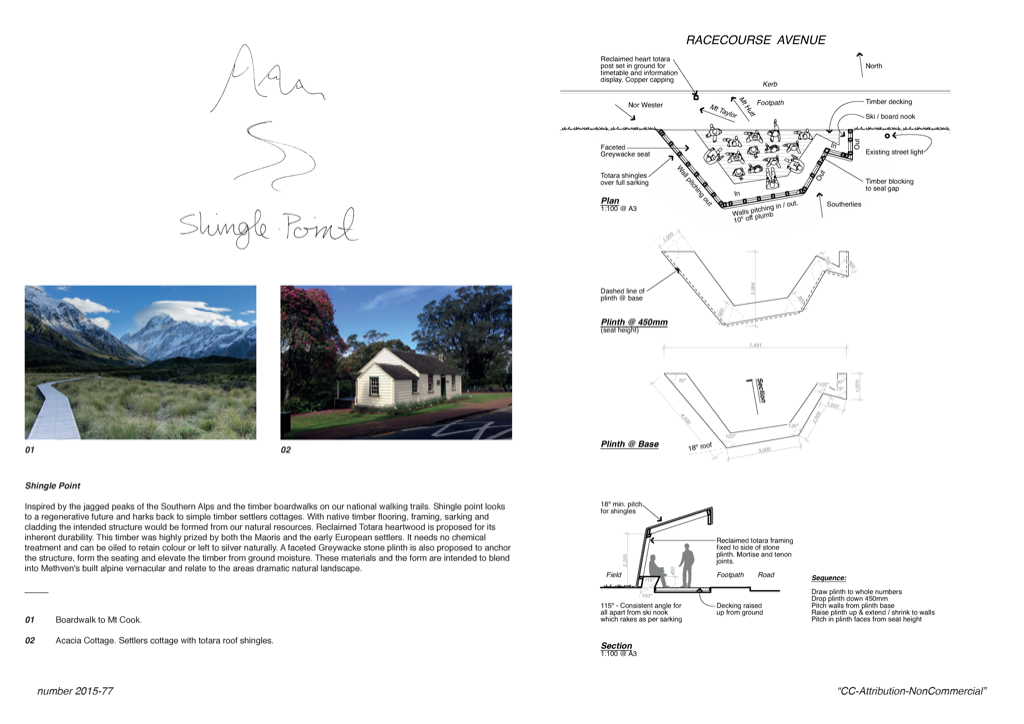
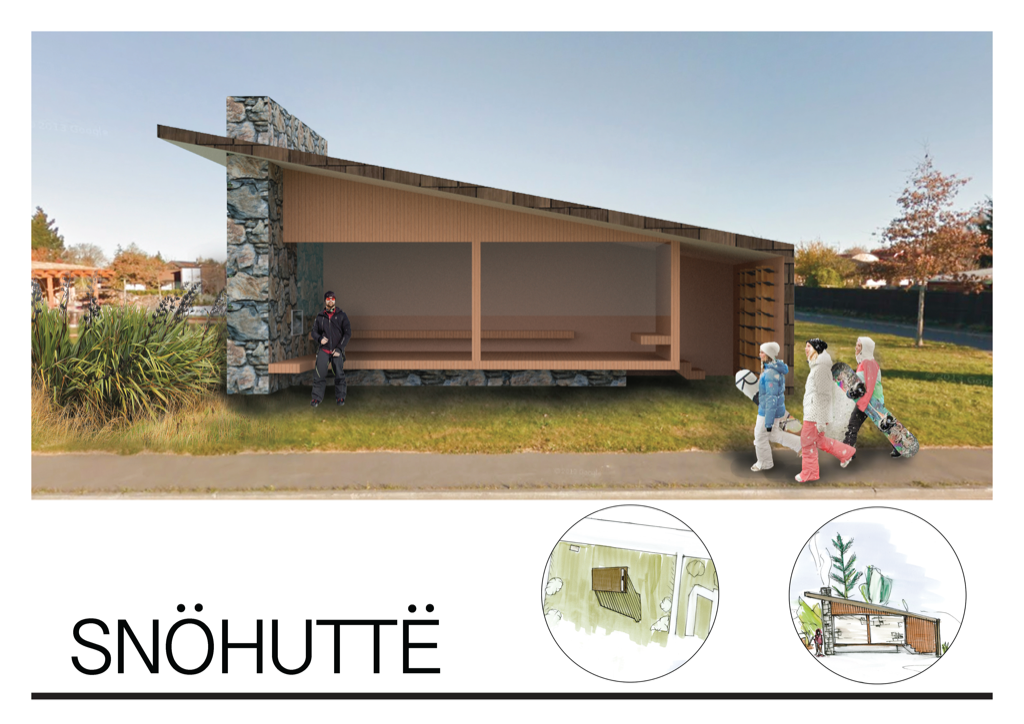
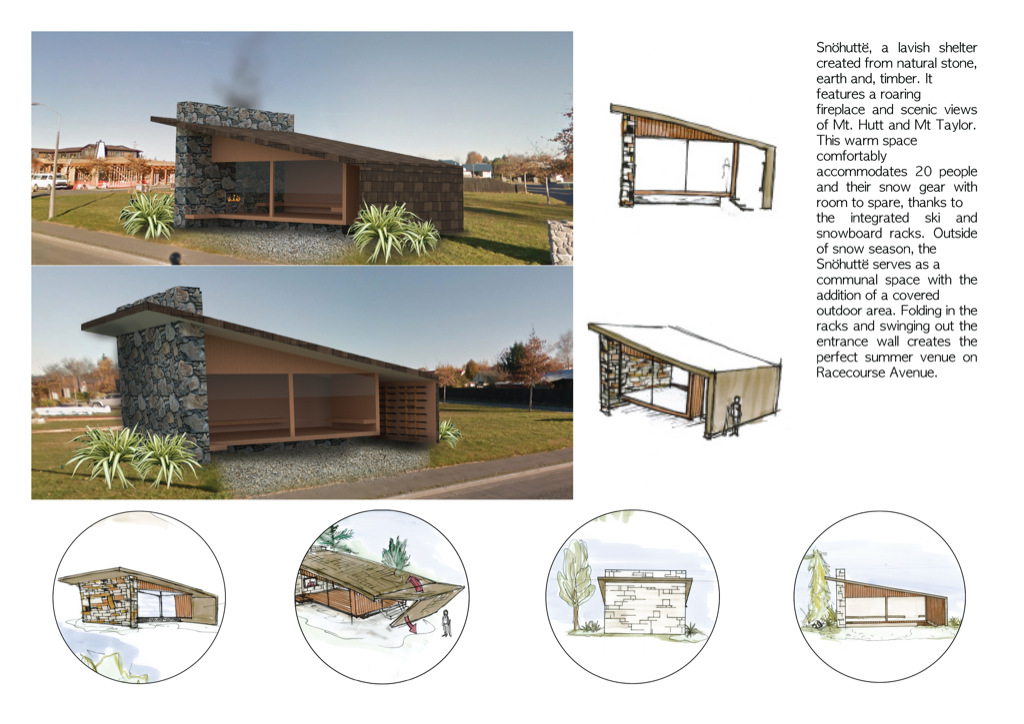
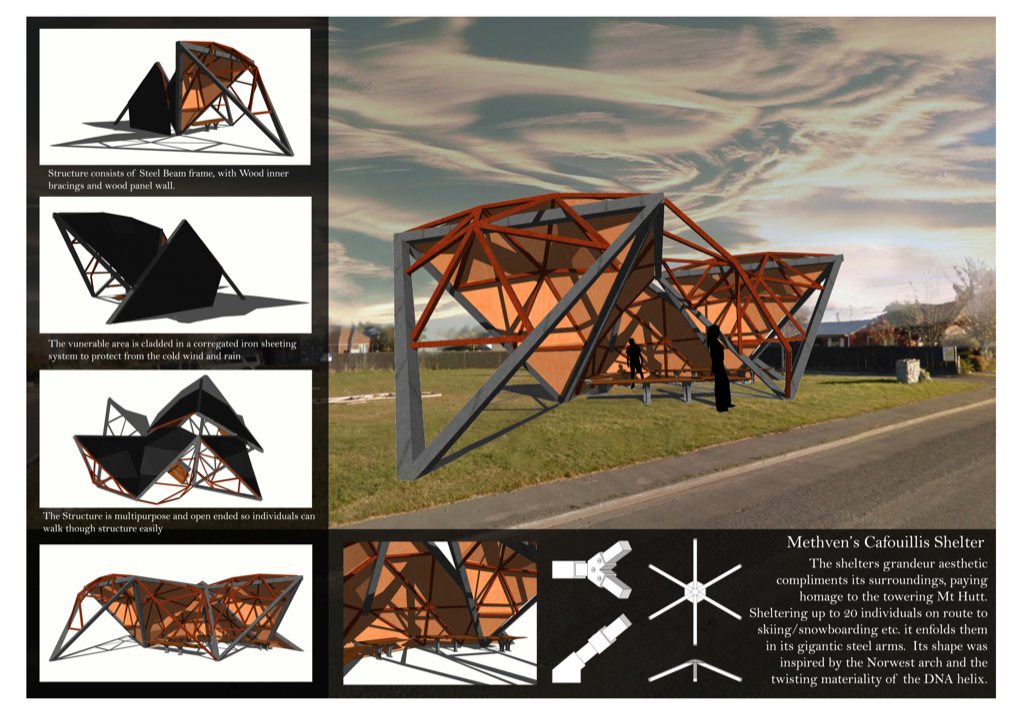
The Sustainable Habitat Challenge has teams around New Zealand designing and constructing more sustainable buildings.

Any group of of a client, designers, and young people can form a SHAC team .

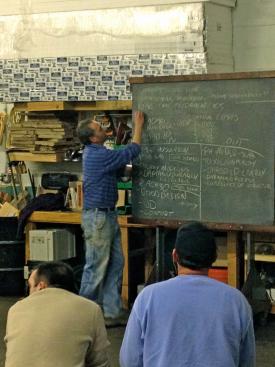
Accepted SHAC teams will participate in workshops, and coaching on their retrofit or new build ideas for their building of choice.

Register your interest to receive more more information on how to form a team by signing up today!

Please email tim@shac.org.nz with any comments or questions.
 

Join in SHAC 2011

SHAC challenges teams to build or retrofit a more sustainable house, building, office, classroom or community hall. Form a tertiary, industry, or community-led team, and work collaboratively, involve young people and communicate widely about your designs.

The aim is efficient, affordable, adaptable, durable, simple, healthy, and delightful buildings and neighbourhoods with focus on regenerative communities. Join in this national project with tertiary, industry, and community-based teams designing and building or retrofitting a more sustainable habitat for their community.

Some teams will build at tertiary institutions; others will build for private clients or the community. All teams will work collaboratively, involve and pass along skills to young people, and publish widely their designs and techniques. Together we are building our future. Join in!

Teams will be supported by national and local sponsors with design advice, regional workshops, experience and other sponsorship as negotiated. In October 2010, regional teams will come together to share ideas and discuss their designs. In October 2011, teams will meet at a national conference with peer review, expert review and awards.


Get Involved!

  1. Read some of the potential ideas in the discussions below. Contribute your thoughts.
  2. Call/text us at 021 705 346 for help with this process.
  3. Or write a short entry about your potential project in the discussions below. Add you contact details so that local people can contact you.
  4. Consider the design guides and SHAC09 team experiences in the Resources menu above. The IDP method is a simple way to develop your design in a few short collaborative meetings.
  5. For your project, Consider social and consumer needs. Consider local capabilities. Create Potential Project Brief / Vision. Establish High Level Timeline. Establish Budget. Establish Quality.Post your ideas to your discussion.
  6. Create a group with more concrete plans by 29 July 2010, or fill out this form and email to tim@shac.org.nz

Forum

Mark Wren

Building concept for sustainable house on a ridge

The point of difference for this building design is to incorporate integrated energy and water-use systems to maximise the efficient use of resources and minimise the impact on community and grid inf…

Started by Mark Wren Jun 8.

Tim Bishop

Funding advice for teams

Some tertiary teams have their building process funded by their polytechnic.  Private teams generally have a private client.  Community teams making displays and community halls are likely to need to…

Started by Tim Bishop May 26.

Tim Bishop

What's your general design advice for teams? 3 Replies

Post here your general design advice for teams.

Started by Tim Bishop. Last reply by Tim Bishop May 26.

Tim Bishop

Retrofit Transportable Office Block [Dunedin]

The Otago Polytechnic is retrofitting a small office block for SHAC 2011. The renovated offices in B Block will be a delightful and long lasting work environment, with some nice visual and technical…

Started by Tim Bishop May 20.

Tim Bishop

Classroom New Build [Southland]

In 2008 a series of Sustainable Living workshops took place, set up by Invercargill City Council, Environment Southland and Southland Education. Topics included No Weeds in the Vege Patch, Solar Ener…

Started by Tim Bishop May 20.

Tim Bishop

School Transportable Classroom retrofit [Manakau Institute of Technology] 3 Replies

Manakau Institute of Technology is proposing to develop a high performance classroom retrofit.  How can transportable classrooms be retrofitted to create a classroom that stays cool in the summer, an…

Started by Tim Bishop. Last reply by Tony Fitzpatrick 6 hours ago.

Tim Bishop

Your Visions for Sustainable Building

Post here a description of your vision for your more sustainable building and neighbourhood.

Started by Tim Bishop May 14.

Related Articles

Otago Polytechnic Living Campus Retrofit | SHAC

we want to show good use of sun and renewable energy for heating, good use of durable materials, low energy use in the building, support local food production, and promote water conservation.  It will also promote lower overall resource with good design practices.  Most importantly, we have to provide a good working space for the Campus Services people who work in the building.

'Plant Room' Attaches To Apartments For Green Living (VIDEO)

New Zealand students designed the "Plant Room", an attachable box that bolts on to the exterior of an apartment building, providing cramped city-dwellers an area to garden. Additionally, the room captures rainwater to use in its garden, has a compost system, and even uses solar power to heat water for the apartment.

Rainshadow Solar brings electric-assist velomobile to Orcas - Islands' Sounder

Rainshadow Solar proprietor John Mottl’s bright yellow velomobile should make anyone smile: it can roll over hill and dale, at a cost of five pennies for every 60 miles. But Mottl rides for free, as he’s been off the grid for over 25 years and powers his velomobile, called the Quest, with the excess energy from his solar panels.

Chatham House - Publications - Reports and Papers - View Paper

  • Businesses which prepare for and take advantage of the new energy reality will prosper - failure to do so could be catastrophic
  • Market dynamics and environmental factors mean business can no longer rely on low cost traditional energy sources
  • China and growing Asian economies will play an increasingly important role in global energy security
  • We are heading towards a global oil supply crunch and price spike
  • Energy infrastructure will become increasingly vulnerable as a result of climate change and operations in harsher environments
  • Lack of global regulation on climate change is creating an environment of uncertainty for business, which is damaging investment plans
  • To manage increasing energy costs and carbon exposure businesses must reduce fossil fuel consumption
  • Business must address energy-related risks to supply chains and the increasing vulnerability of 'just-in-time' models
  • Investment in renewable energy and 'intelligent' infrastructure is booming. This revolution presents huge opportunities for new business partnerships

More articles related to SHAC ...


Newsletter Signup

© 2010   Created by Tim Bishop   Powered by .

Badges  |  Report an Issue  |  Terms of Service